NewVolt Co-Leads Australia's First Electric Truck Corridor
What began as NewVolt's strategic vision to electrify "Australia's primary freight highway" has evolved into a global flagship initiative. Today, NewVolt Infrastructure announces its partnership with CALSTART's Drive to Zero to co-coordinate the Sydney-Melbourne "Powered by Renewables" Corridor as Australia's entry into the Global Green Road Corridors (GGRC) network.

Electrifying The Hume Together
From NewVolt's strategic vision to global movement: Six years of Hume Highway development becomes Australia's flagship GGRC initiative
Belém, Brazil - NewVolt Infrastructure and Drive to Zero today announced their co-leadership of the Hume Highway "Powered by Renewables" Corridor - Australia's entry into the Global Green Road Corridors initiative and a world-first model for zero-emission, renewable-powered freight from COP30 in Belém, Brazil.
From Strategic Vision to Global Movement
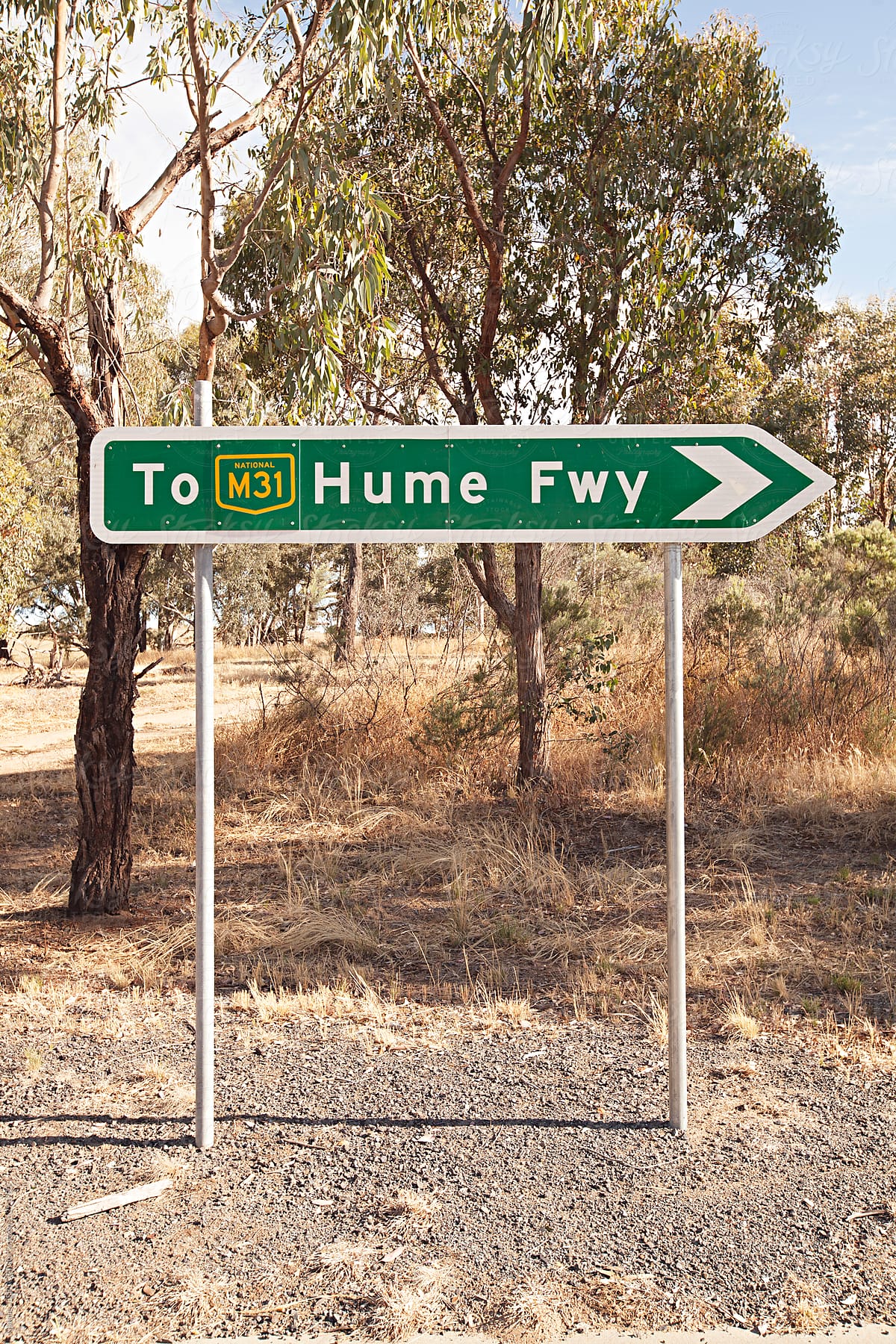
What began as NewVolt's core strategic vision has evolved into a flagship international initiative. Since 2019, NewVolt has been systematically developing what the company identified as "Australia's primary freight highway" - mapping every kilometre of the 880km route, cataloguing renewable energy projects from Euroa to Barnawartha, Tarcutta to Gundagai, and understanding the specific infrastructure needs of Australia's freight operations.
"The provision of charging infrastructure on Australia's primary freight highway was always a key part of NewVolt's origination strategy," said Rainer Knobloch, Co-Founder and CSOO of NewVolt, speaking from COP30. "As both a statement of capability in electric freight logistics and our key long-distance customer opportunity, the Hume Highway represents the most important artery in Australia's freight task."
That early strategic commitment led NewVolt to develop detailed understanding of the corridor's unique advantages - particularly the concentration of renewable energy projects that creates ideal conditions for the world's lowest-cost electric trucking.
Learning from Six Years on the Road
NewVolt's systematic Hume Highway analysis revealed insights that now underpin the broader corridor strategy. The company's development work, combined fleet collaboration for operational understanding - from the specific needs of B-double configurations to the renewable energy procurement opportunities near charging locations - provides the foundation for the collaborative corridor approach.
"We've mapped every kilometre of the 880km Sydney-Melbourne route. We know where the renewable energy sits, how the trucks move, and what it takes to make this work," said Knobloch. "But no single company can transform an entire industry."
Beyond Individual Effort: The Collaborative Imperative
The COP30 announcement represents more than infrastructure development - it embodies a fundamental shift from competitive to collaborative approaches in tackling complex decarbonisation challenges.
"Electrifying Australia's freight corridors requires collaboration across multiple disciplines, industries, and even nations," noted Rainer. "No single company or country can solve this alone. Australia's entry into the global commitment signals our readiness to move beyond individual efforts toward the collaborative approach that complex infrastructure challenges demand."
The Global Context
The Global Green Road Corridors Initiative (GGRC) supports zero-emission freight corridor development worldwide by bringing together public and private stakeholders to deliver integrated solutions for charging infrastructure, grid readiness, and renewable energy integration along key trade routes. GGRC provides a collaborative platform that turns local progress into replicable models, with active developments across Latin America, Africa, North America, Europe, and now Oceania.
The collaboration brings together Drive to Zero's proven corridor development methodology with NewVolt's deep Hume Highway expertise, combining international best practice with six years of Australian corridor development experience.
The Hume Highway Opportunity
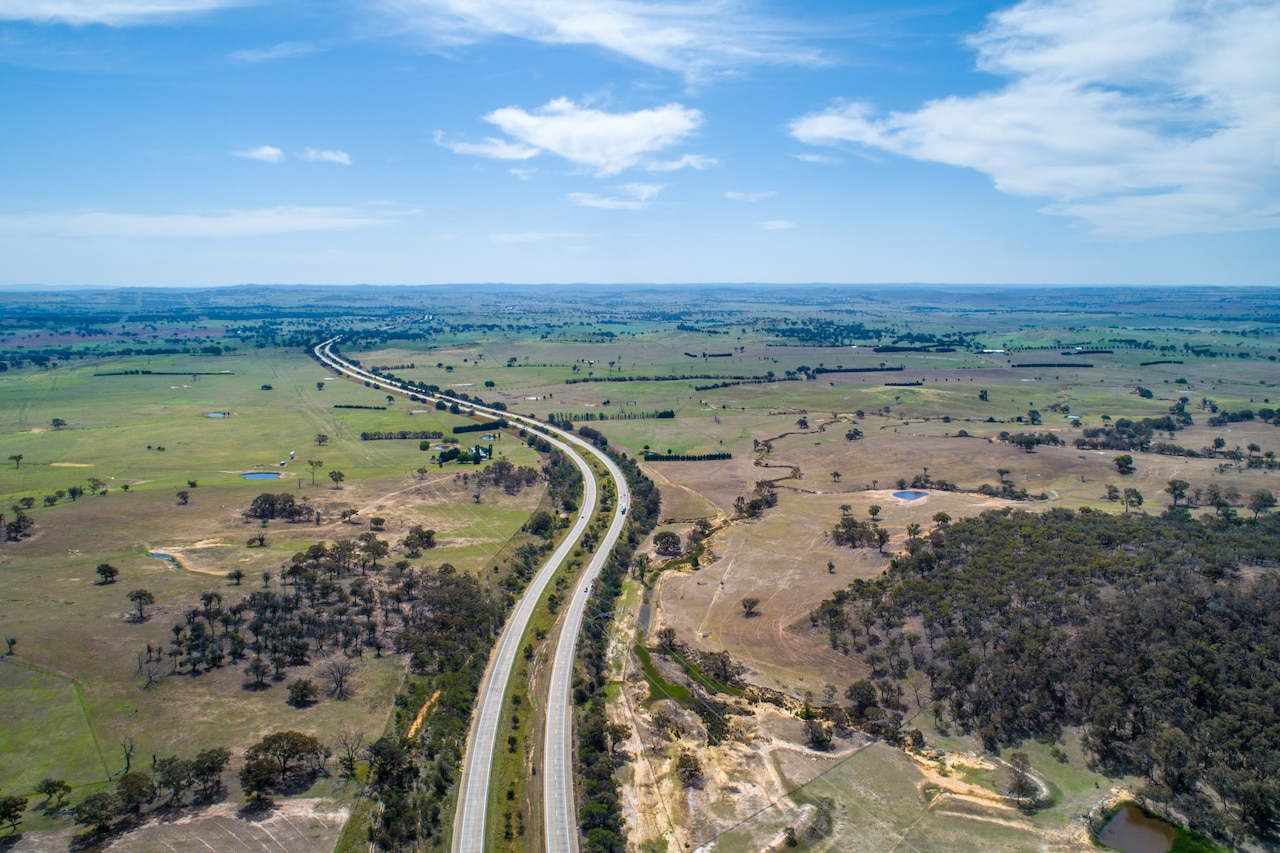
The corridor targets Australia's busiest freight route, which carries 4,800 trucks daily between Sydney and Melbourne. NewVolt's analysis identified the route's unique advantage: 560MW+ of renewable generation already operational along the corridor, with 3GW in the development pipeline.
"This isn't about one technology, truck, OEM, or charging provider," explained Rainer. "It's about leveraging Australia's renewable advantage to make zero-emission freight cheaper than diesel."
However, the challenges extend far beyond charging infrastructure. The initiative addresses:
- LCOE and LCOS optimisation leveraging 100% renewable energy
- Seamless roaming technology across multiple charging networks
- Operational complexities around scheduling, training, and maintenance
- Economics that work for fleet operators, not just infrastructure developers
- Policy frameworks that enable rather than hinder adoption
Industry-Wide Invitation
Building on NewVolt's six-year development foundation, the organisations are actively seeking collaboration across the entire freight ecosystem, including:
🔹 Fleet operators & shippers
🔹 Charging infrastructure providers (including battery-swap solutions)
🔹 OEMs & supply chain partners
🔹 Software & roaming technologists
🔹 Analysts & modelling teams
🔹 Truck operational experts
🔹 DNSPs/TNSPs
🔹 Finance & investment partners
🔹 Government & policy makers
"Over the next 12 months, I'll be reaching out directly to colleagues across the industry - competitors included - to come together and solve The Hume," said Rainer. "Those that know me know that I'm open, collaborative, humble, and wish only to progress, not fight. It's achievable, but only if we collaborate."
A Blueprint for Global Transformation
The Sydney-Melbourne corridor aims to demonstrate how renewable-powered freight can achieve cost-competitiveness with diesel operations while delivering substantial environmental benefits. Success here creates a replicable model for other high-volume freight routes globally.
The initiative represents a recognition that the complexity of freight decarbonisation requires the combined expertise of entire industries working together rather than individual companies pursuing separate solutions.
Next Steps
NewVolt and Drive To Zero will release detailed collaboration frameworks over the coming months, building on NewVolt's existing Hume Highway development timeline while scaling to corridor-wide transformation. The initiative builds toward formal corridor launch at COP31 in 2026.
For corridor partnership enquiries:
Email: thehume@newvolt.com.au
Drive-To-Zero team: astamez@calstart.org
More collaboration details coming in the next few weeks.